
Understanding stun gun voltage muscle interference is crucial for safe and effective use. Lower voltages (5,000V – 8,000V) are suitable for confined spaces, while higher voltages (12,000V – 15,000V) are ideal for outdoor scenarios or larger attackers, based on the impact on muscle control and minimising risks of electrical shock. Proper training and selecting the right voltage range according to intended use and body type are essential for responsible stun gun deployment.
“Uncover the critical aspects of stun gun voltage, a key factor in personal safety. This comprehensive guide explores the impact of muscle interference and its role in stun gun effectiveness. Learn how voltage ranges determine stun gun performance and discover strategies to choose the ideal device based on specific needs. Understanding these specifications ensures informed decisions, empowering individuals to make their safety a priority. Dive into this insightful article to explore the science behind stun guns and gain valuable insights into voltage, muscle interference, and optimal protection.”
- Understanding Stun Gun Voltage Range
- Safety Considerations: Muscle Interference and Beyond
- Choosing the Right Stun Gun Based on Voltage Specifications
Understanding Stun Gun Voltage Range
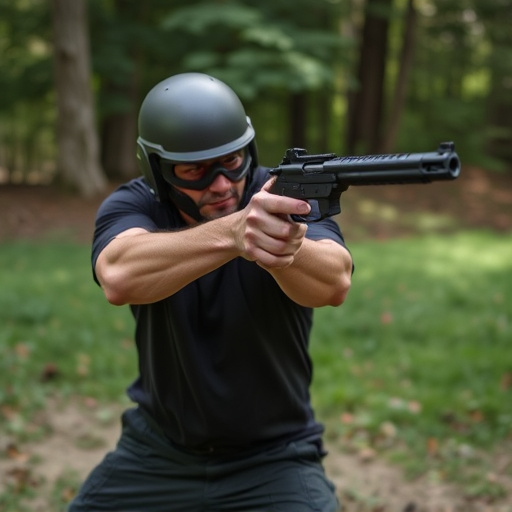
Understanding Stun Gun Voltage Range is crucial for ensuring safety and effectiveness during use. Stun guns operate by delivering an electric shock to disrupt muscle control, temporarily incapacitating the target. The voltage range typically varies from 50,000 to 120,000 volts, but it’s not just about the numbers. What matters most is how these voltages interact with human muscles, causing them to contract uncontrollably and leading to a loss of balance and coordination.
The concept of stun gun voltage muscle interference refers to this precise effect. Lower voltages might produce a weaker shock, insufficient to disrupt larger muscle groups, while higher voltages can lead to overstimulation or even harm if not used properly. Knowing your stun gun’s voltage range and understanding its impact on different body types is essential for responsible use and maximizing safety during potentially dangerous situations.
Safety Considerations: Muscle Interference and Beyond

Stun guns operate by delivering an electric shock that overrides the body’s natural motor functions, causing the muscles to contract uncontrollably and leading to immobilization. However, understanding muscle interference is crucial when considering safety specs. The voltage range of a stun gun directly impacts how effectively it can disrupt these muscle functions. While higher voltages are more powerful, they also carry greater risks of electrical shock or even internal damage if the device makes contact with sensitive areas like the chest or head.
Moreover, proper training and adherence to safety guidelines become paramount when handling stun guns. Users must be aware that while a stun gun’s high voltage can incapacitate a target quickly, it also necessitates extreme caution to prevent unintentional harm to bystanders or self-inflicted injuries. This is especially true in close-quarters combat situations where the device’s electrical current could potentially interfere with muscles controlling vital organs and breathing mechanisms.
Choosing the Right Stun Gun Based on Voltage Specifications
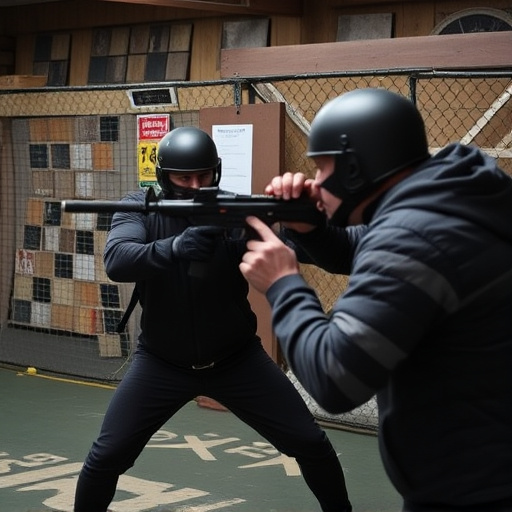
When selecting a stun gun, understanding its voltage specifications is crucial for ensuring effectiveness and safety. The stun gun’s voltage range determines its impact on an attacker’s nervous system, with higher voltages typically resulting in more intense muscle interference and immobilization. However, choosing solely based on voltage might not be optimal; it’s a balancing act.
Different scenarios demand varied levels of force. For outdoor or self-defense purposes, a stun gun with a higher voltage range (e.g., 12,000V – 15,000V) offers greater penetrance and can be more effective against larger opponents. Yet, for personal protection in confined spaces, lower voltages (around 5,000V – 8,000V) are sufficient to disrupt an attacker’s muscle control without causing unnecessary harm or risk of permanent damage, taking into account stun gun voltage muscle interference considerations.
When selecting a stun gun, understanding its voltage range and safety specs is paramount. By considering factors like muscle interference, you can ensure your stun device is both effective and safe for self-defense situations. Choosing the right stun gun based on these specifications allows users to make an informed decision, balancing power with responsible ownership. Remember, proper knowledge of stun gun voltage is a key component in personal safety.